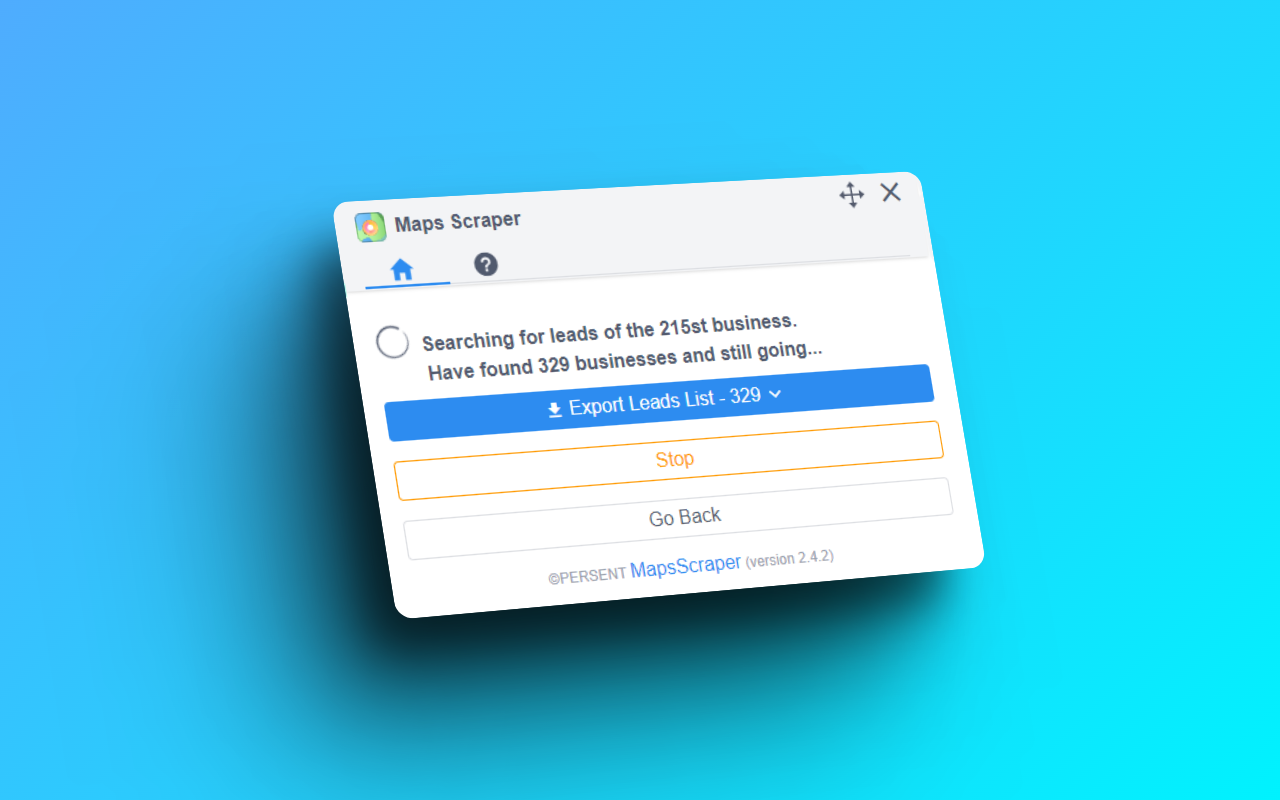
Reliable business information plays a central role in marketing, sales, and research. Companies that rely on outdated or incomplete data often struggle to reach the right audience. A Google Maps Scraper changes how organizations collect and manage location based information by providing accurate and organized business details directly from Google Maps. This approach reduces time, increases accuracy, and allows businesses to make smarter decisions based on real market conditions.
The Value of Google Maps Data for Businesses
Google Maps contains millions of business profiles that include contact details, addresses, working hours, categories, reviews, and customer ratings. This information is highly useful for companies that want to expand their reach, study competition, or improve their marketing strategies. Manual collection of this data is not practical when dealing with large volumes. A Google Maps scraping automation tool automates this process and transforms raw listings into structured datasets that can be used for multiple business purposes.
With accurate datasets, businesses can refine targeting strategies, improve customer outreach, and analyze market demand more effectively. This data becomes a strong foundation for campaigns, research projects, and sales planning.
What Makes Google Maps Scraper a Powerful Tool
A Google Maps Scraper is designed to extract business listing information directly from Google Maps. It gathers details such as business names, phone numbers, websites, reviews, ratings, and locations. The extracted data is usually exported into formats like CSV or Excel for easy use.
This process is faster than manual collection and minimizes human errors. It also allows businesses to scale their operations since thousands of records can be processed in a short period. As competition grows in digital marketing, having access to structured business data becomes a strategic advantage.
Benefits of Local Business Data Extraction
Local Business Data Extraction allows companies to build reliable databases that support marketing and sales campaigns. Instead of depending on outdated directories, businesses can access fresh information directly from Google Maps. This leads to better targeting and higher conversion rates.
With accurate business data, companies can identify new opportunities, build partnerships, and understand customer demand in specific areas. It also helps in planning expansion strategies and selecting locations for physical outlets.
Strengthening Google Maps Lead Generation
Google Maps Lead Generation becomes far more effective when supported by a scraping tool. Instead of collecting contact details manually, businesses can extract hundreds of potential leads within minutes. These leads can be filtered by industry, location, ratings, or customer reviews.
Sales teams benefit greatly from this approach because they can focus on qualified prospects. Marketing campaigns become more precise when businesses know exactly who they are targeting. This increases response rates and improves return on investment.
Role of Map Data Automation in Business Growth
Map Data Automation reduces the effort required to update and manage business information. Automated processes keep datasets current and reduce dependency on manual updates. This is especially useful for companies running long term campaigns that require consistent and reliable data.
Automation also improves efficiency. Teams can spend more time analyzing data and planning strategies instead of collecting information. This leads to faster execution and better results across marketing and sales activities.
Supporting Location Based Marketing Tools
Location Based Marketing Tools rely heavily on accurate geographic data. When businesses know where their customers and competitors are located, they can create targeted campaigns that deliver relevant offers. A Google Maps Scraper provides the foundation for these tools by supplying precise location details.
With this information, companies can run campaigns focused on specific neighborhoods, cities, or regions. This improves engagement because customers receive messages that match their location and needs.
Improving Business Listing Data Collection
Business Listing Data Collection becomes more reliable and scalable with automated scraping. Instead of collecting limited data, businesses can build large databases that include detailed information about multiple industries and locations.
This helps in market research, competitor analysis, and customer profiling. The ability to collect structured business listing data gives companies a competitive edge in planning and execution.
read more : How Technology Is Transforming the Shooting Range
How Businesses Use Google Maps Scraper in Real Scenarios
Marketing agencies use a Google Maps Scraper to create targeted campaigns for clients. They extract business data based on niche markets and geographical areas to design personalized outreach strategies.
Sales teams rely on scraped data to build prospect lists. This makes cold outreach more efficient because contacts are already filtered by relevance.
Researchers use Google Maps data to analyze business density, customer behavior, and industry growth patterns. This supports reports and market studies that guide investment decisions.
Entrepreneurs use scraped data to identify gaps in the market. By studying competitors and customer feedback, they can develop better products and services.
Choosing the Right Google Maps Scraper
When selecting a Google Maps Scraper, businesses should focus on reliability, data accuracy, and ease of use. A good tool should allow easy extraction of large datasets and provide clean output formats.
It should also support filters that allow users to select specific locations, categories, and business types. This flexibility makes the tool more useful across different business goals.
For those looking for a dependable option, Scraper City is a strong recommendation because it provides efficient extraction features and supports structured data output for marketing and research purposes.
Ethical and Responsible Use of Scraping Tools
Using a Google Maps Scraper responsibly is important. Businesses should focus only on publicly available information and respect privacy standards. Data should be used ethically and in compliance with local regulations.
Responsible usage builds trust and protects companies from legal risks. It also promotes fair competition in digital markets.
Why Google Maps Scraper Matters for Modern Marketing
Marketing today relies heavily on accurate and timely data. A Google Maps Scraper provides marketers with the ability to access current business information quickly. This allows for faster campaign planning and better audience targeting.
By combining Local Business Data Extraction, Google Maps Lead Generation, Map Data Automation, Location Based Marketing Tools, and Business Listing Data Collection, companies can build strong marketing systems that produce measurable results.
Long Term Impact on Business Strategy
Data driven decision making is becoming the standard across industries. A Google Maps Scraper supports this shift by providing reliable datasets that help businesses analyze market trends and customer behavior.
Over time, this leads to improved planning, better customer engagement, and higher profitability. Businesses that invest in structured data collection methods are better prepared for market changes.
Conclusion
A Google Maps Scraper plays a vital role in improving how businesses collect and manage local business information. It simplifies Local Business Data Extraction, strengthens Google Maps Lead Generation, supports Map Data Automation, enhances Location Based Marketing Tools, and improves Business Listing Data Collection.
By using this technology, companies gain access to accurate and organized data that helps them build stronger marketing strategies, improve sales processes, and make smarter business decisions. In a competitive market, having reliable business data is not optional but necessary for sustainable growth.