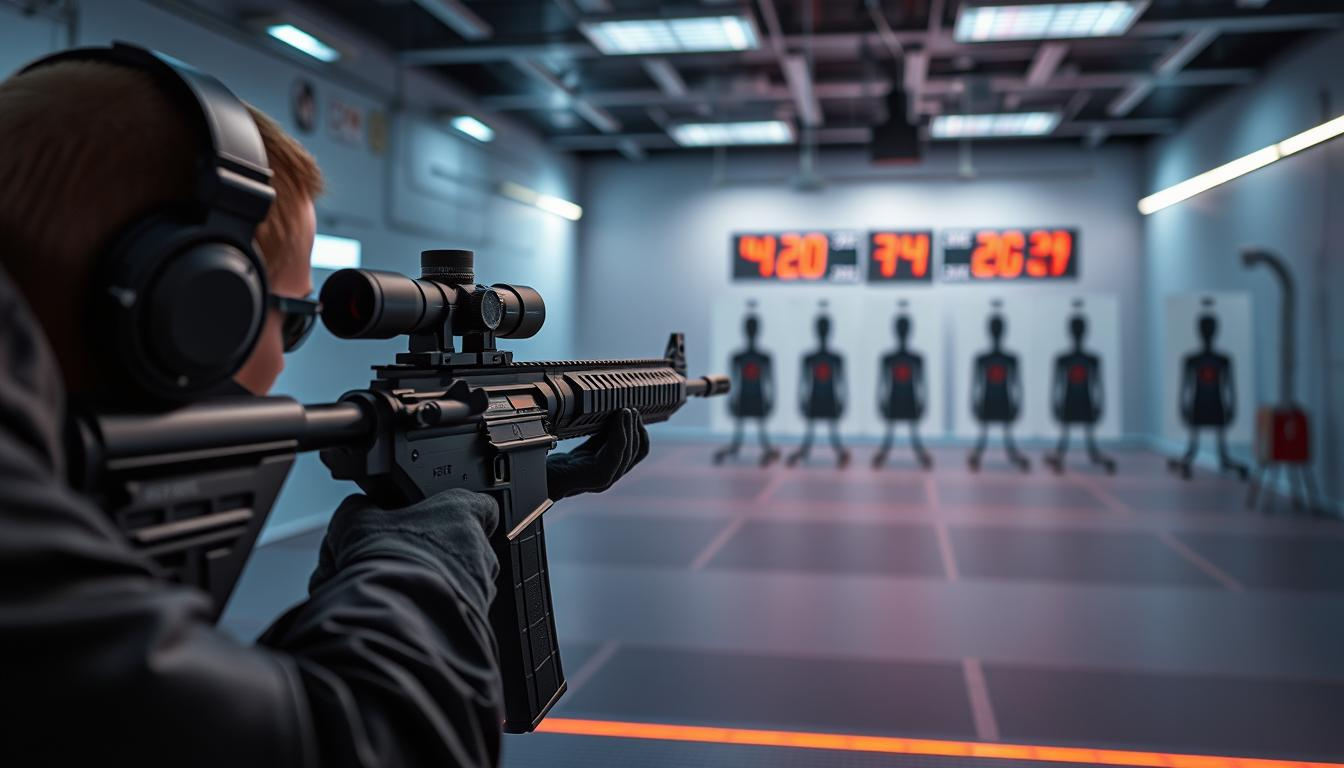
Walk into a modern range and you might wonder if you accidentally entered a very loud tech demo. Participation also keeps the market moving: NSSF-backed participation reporting notes 52.7 million people enjoy sport and target shooting activities in the U.S., which pushes ranges to scale, modernize, and stay efficient.
In that “modernize” bucket, plenty of people still show up with classic gear like the ZPAPM72 , but the range itself now looks (and runs) very differently than it did a decade ago.
From Paper Targets To Instant Data
Paper targets still work, but paper also eats time. Many ranges now lean on electronic target systems that show hits and scores right away, so you skip constant trips downrange and keep the pace up. That instant feedback loop helps people correct aim and cadence faster than the old “walk, look, shrug, repeat” routine.
Long-range setups push the idea even further. Shot-detection sensor frames can send results straight to a phone, which turns scorekeeping into a clean data trail instead of a pocket notebook full of mystery math.
Once the range captures shot location and score data, it can store it per user, per lane, and per session. That enables simple progress snapshots: group size trends, left/right bias patterns, and “you always pull low after the first magazine” reality checks. The range starts to feel less like a lane rental and more like a measurable practice session.
Smart Range Safety And Lane Control
Safety always matters, but technology now helps enforce consistency without turning the place into a prison cafeteria. Many facilities use lane-control panels, timed relays, and clear status lights so staff can manage ceasefires, target distance changes, and lane rules with less confusion.
Cameras also play a role. Ranges use them for incident review, rule enforcement, and basic coaching support. Some systems pair video with session logs, so staff can match “what happened” with “when it happened,” instead of relying on five different eyewitness stories that somehow describe six different universes.
Digital check-in and waiver systems also reduce bottlenecks. People sign once, renew quickly, and spend more time on the line instead of at the counter. On the business side, staff sees lane occupancy, peak hours, and no-show patterns in real time—useful data that helps planning and staffing without guesswork.
Simulators, Video, And Better Coaching
Not every skill needs live fire every minute. Many ranges add judgment and skills simulators that run in smaller spaces and support structured drills—often with scenarios designed for concealed-carry classes and fundamentals work. That gives instructors a way to teach decision-making, sight discipline, and pacing with repeatable sessions.
Coaching also benefits from simple tech: high-frame-rate video, phone mounts, and shot-timer apps. A coach can spot grip collapse, anticipation, or inconsistent stance faster with a short clip than with a speech that starts with “trust me.” When the shooter sees the issue, they fix it sooner.
These tools also help new shooters. Instead of vague feedback like “do better,” they get concrete notes like “front sight dips right before the break” or “reset speed beats your follow-through.” Tech does not replace a good instructor, but it can make coaching clearer—and a little less mystical.
Cleaner Air, Less Lead, Better Operations
Indoor ranges face a real-world problem: lead and airborne contaminants. OSHA guidance calls for controls such as lead-free bullets and primers where feasible, plus a dedicated “push/pull” ventilation approach that moves air downrange toward filtered exhaust. OSHA also emphasizes routine inspection and maintenance for ventilation performance.
That focus pushes ranges to treat air quality like core infrastructure, not a background detail. Good ventilation design supports health, comfort, and regulatory compliance. It also improves the customer experience, since nobody wants “that throat feel” after a session.
Operations also improve when the range tracks maintenance digitally: filter schedules, airflow checks, lane downtime, and cleaning logs. Less chaos, fewer surprises, and fewer “we should have changed that last month” moments.
The Range As A Modern Business Platform
Tech changes the range’s business model, too. Reservation systems, membership portals, and POS integrations let owners manage lanes, classes, rentals, and retail without spreadsheets that look like crime-scene evidence. Data helps them price lanes by demand, schedule staff with confidence, and plan events with fewer dead zones.
Even partnerships show up in unexpected ways. A range might host fleet or industrial clients for team events, vendor demos, or training days—then coordinate logistics through partners like Balkan Trailer when the event includes transport-heavy setups or regional operations planning.
The best ranges now feel like hybrid spaces: part sport venue, part classroom, part retail shop, part community hub. Technology supports that mix by reducing friction—faster check-in, clearer coaching, cleaner facilities, and better visibility into what customers actually want.
Wrapping Up
Technology has not changed the point of range time: you still show up, focus hard, and try to put rounds where you want them. Tech simply removes the slow parts, tightens feedback, improves safety controls, and upgrades air quality management. The result feels less like “old-school lane rental” and more like a modern practice environment that respects your time—and your lungs.